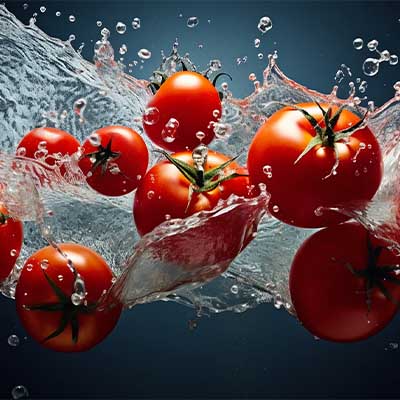
Mastering Precision: The Hot Break System in Tomato Processing
Mastering Precision: The Hot Break System in Tomato Processing In…

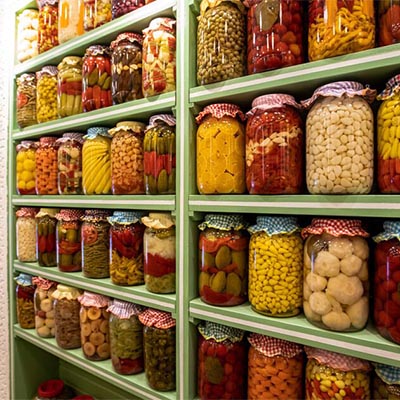
Pickles are usually made from a mixture of vegetables and fruit. They are eaten as a savoury, spicy accompaniment to a meal. Pickles are preserved by a combination of increased acidity (reduced pH), added salt, reduced moisture and added spices.
Pickles can be prepared using one of two main methods: lactic acid fermentation of vegetables, either with or without the addition of salt the preservation of vegetables in acetic acid (vinegar).
The products made by these two methods are very different -each one has its own distinctive taste and texture.
Vegetables such as cucumber, cabbage, olive and onion are fermented by lactic acid bacteria which can grow in low concentrations of salt.
Sometimes sugar is added to increase the rate of fermentation or to make the product
Sweeter. Pickles prepared by fermentation are not heated, therefore strict attention must be paid to cleanliness and hygiene. The concentration of salt, pH of the mixture and temperature of fermentation must all be controlled to ensure a good fermentation and to prevent the growth of undesirable bacteria.
Fermented pickles
Fruit should be washed in clean water, peeled and the stones removed.
Stainless steel knives should be used to cut the fruit into uniform-sized pieces. Most fruits are cut into small strips.
Those cut strips to be graded in require size and mixed with spices, salts and oil to ready the batch of pickles.
Fermentation
Prepared vegetables are placed in the fermentation container and salt or brine is added. The vegetable pieces are weighted down so that they are submerged in the brine. The vegetables and salt are placed in alternate layers until the container is three quarters full.
Heat Treatment
Fermented pickles are not usually heat treated. This stage of the process is for pickles made with acetic acid.
A stainless steel pan, preferably a double-jacketed pan, should be used for boiling. The pickle should be stirred during boiling to prevent burning.
Filling
Heated pickles are hot-filled (above 80°C) into clean sterile glass jars. The jars should be
warm to prevent them cracking.
If polythene pouches are used, the pickle should be cooled to room temperature before filling. Fermented pickles are filled into clean, sterile jars or containers. Since these pickles are not further processed, it is important to ensure good hygiene during filling.
Kailas Engineering Systems provides hygienic designed equipment’s which are sustainable and able to give productive outputs. We have a various types of pre- processing equipment’s mainly used to handle different types of raw material of pickles. Also KES provides complete solutions for final pickles processing and filling machinery.
– Kailas
Mastering Precision: The Hot Break System in Tomato Processing In…

Optimization of Tomato Processing Techniques with Kailas Engineering Systems Tomatoes…
Continuous Peeler Cum Washers: Transforming Industries with Precision and Efficiency…
Demystifying the Mechanics: A Deep Dive into the Technology of…
Enhancing Food Safety and Efficiency with Cyclonic Washers from Kailas…
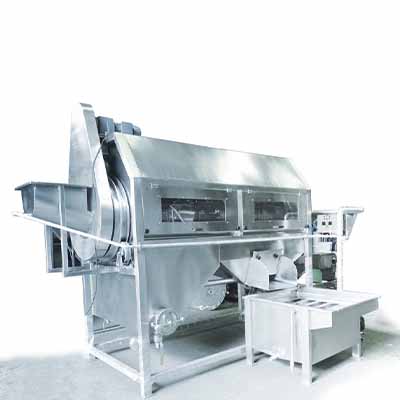
The Green Revolution: Sustainable Practices in Rotary Washer Technology In…
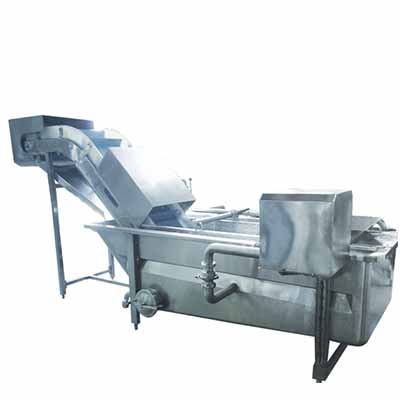
Revolutionizing Food Processing: The Role Of Bubble Washer Cum Soaking…
Revolutionizing Sorting: The Efficiency of Rotary Graders by Kailas Engineering…
Enhancing Food Safety: The Tube in Tube pasteuriser by Kailas…
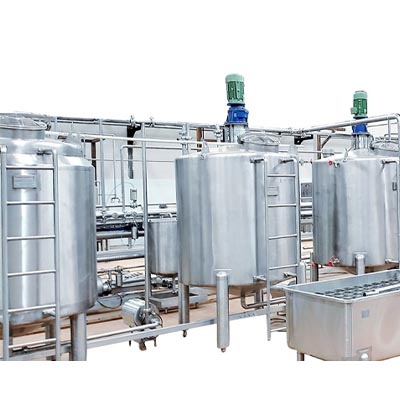
The Vital Role of Blending Tanks in Mango Processing Mango…
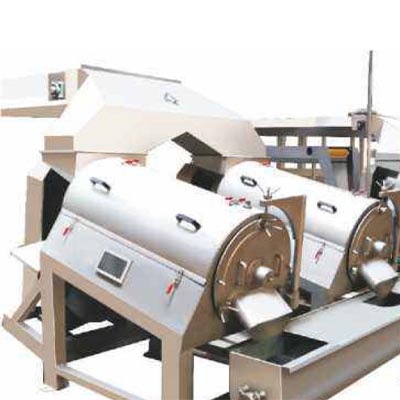
Optimizing Mango Processing Lines: The Crucial Role of Destoners in…
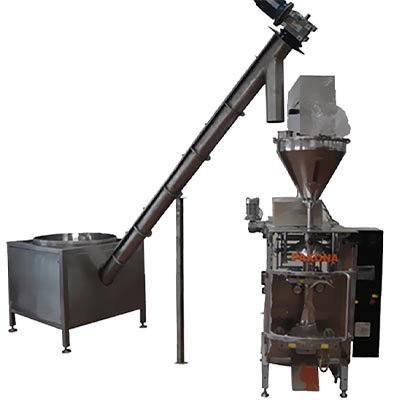
Picking the Perfect Spice Feeding Screw for Your Business Choosing…

The Sweet Success of Mango Pulps: A Game Changer in…
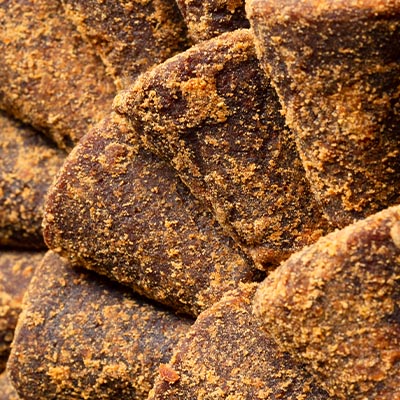
The Sweet Truth About Jaggery: A Healthy Delight for Your…